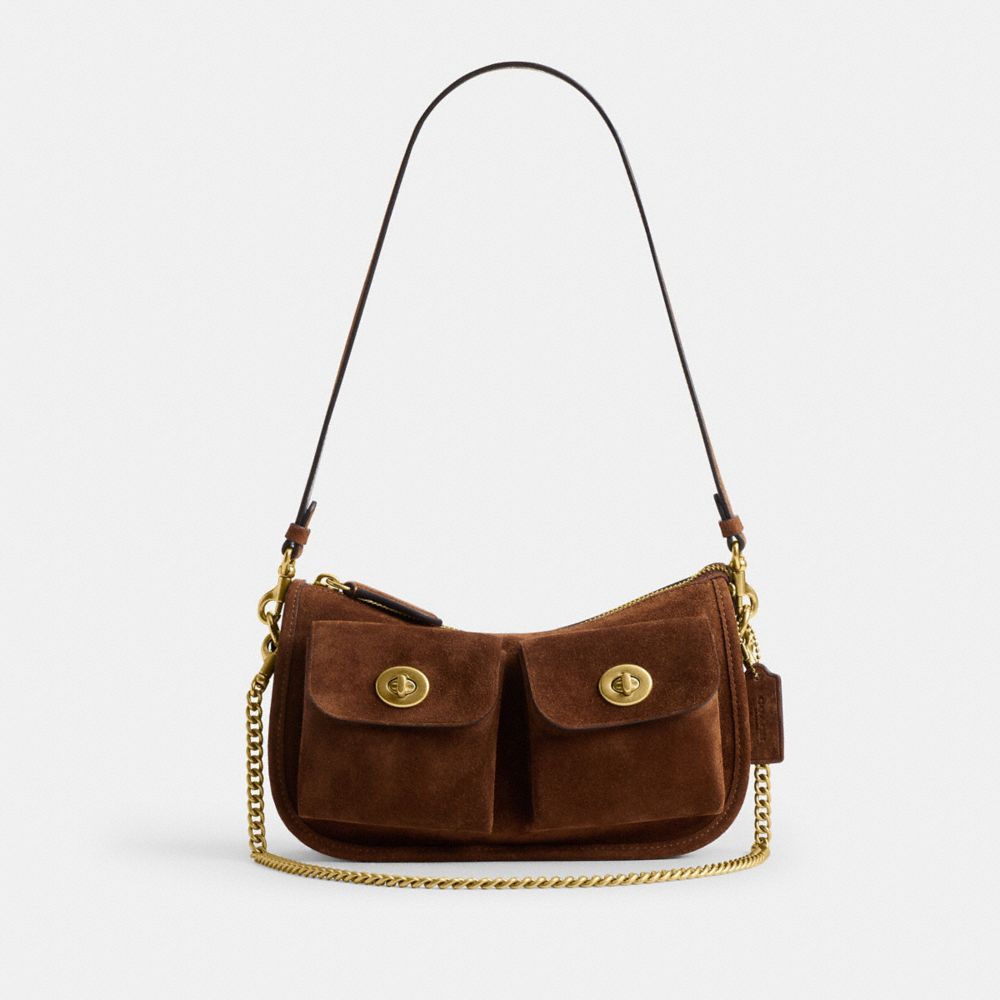
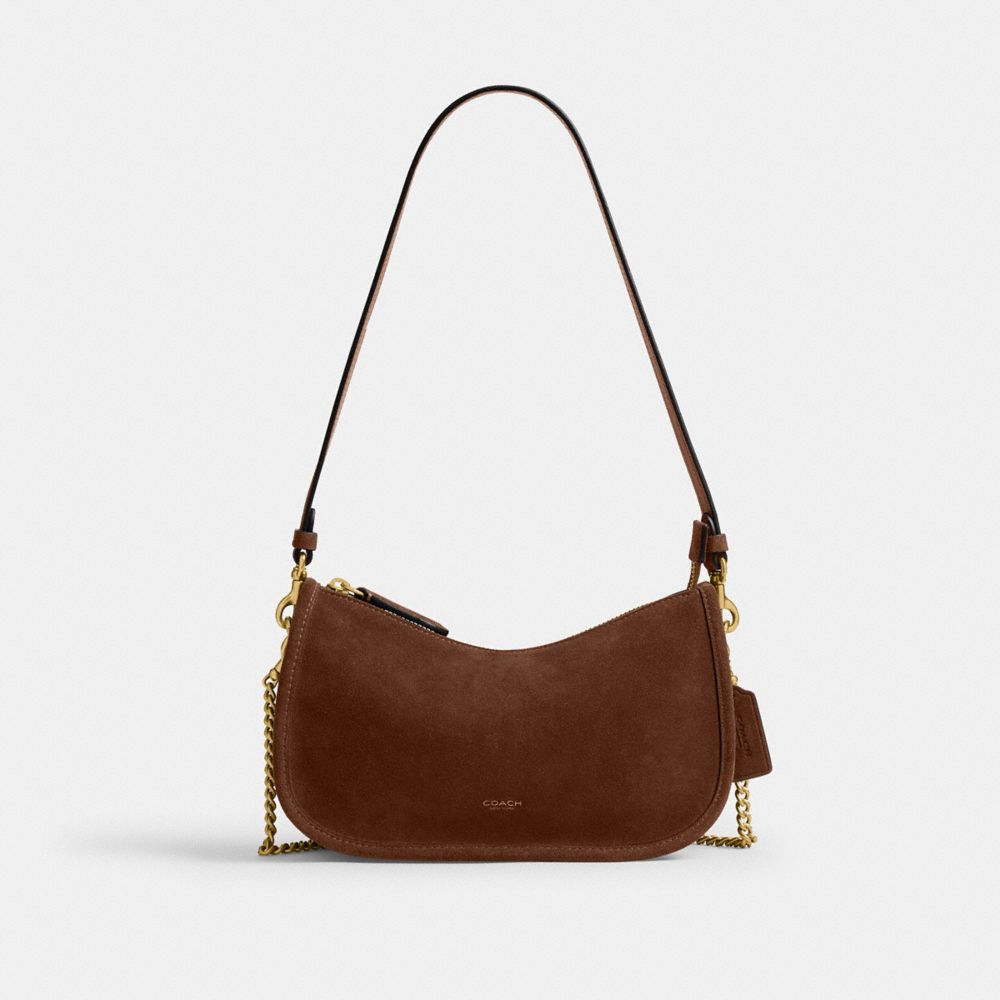
Quiet luxury is not a trend. It is the correct understanding of what expensive dressing actually is — and it took fashion approximately thirty years of logomania to remember it. The core premise is simple: real wealth has never needed to announce itself. A Hermès Birkin is identifiable by its proportions and its leather, not its logo. A cashmere coat from a heritage brand is distinguished by its weight and its construction, not its label. The women who have always dressed expensively — truly expensively, not aspirationally — have understood this without needing a name for it.
What the internet did was give the aesthetic a label, which simultaneously made it accessible to people who couldn't afford the actual pieces and created a strange paradox: the brands most associated with quiet luxury (The Row, Toteme, Brunello Cucinelli) became the new status symbols, which runs counter to the entire philosophy. The resolution of this paradox is that quiet luxury is a sensibility, not a brand list. It is achievable at Arket, COS, or even Zara — if you understand what you're selecting for.
The three pillars of the quiet luxury aesthetic: natural materials over synthetic (cashmere, wool, silk, linen, leather — nothing that shines like polyester under fluorescent light), a restrained colour palette of no more than two or three colours per outfit drawn from cream, ivory, camel, beige, chocolate, navy, forest green, and black, and an emphasis on fit over trend — pieces cut precisely for the body they're worn on, in silhouettes that are classic rather than directional. Get these three things right and the aesthetic follows naturally from the clothing itself.
This guide gives you the theoretical framework, the practical colour palette, the key pieces, and twelve real outfits that execute quiet luxury at accessible price points.
The Quiet Luxury Colour Palette: Six Colours and the Logic Behind Them
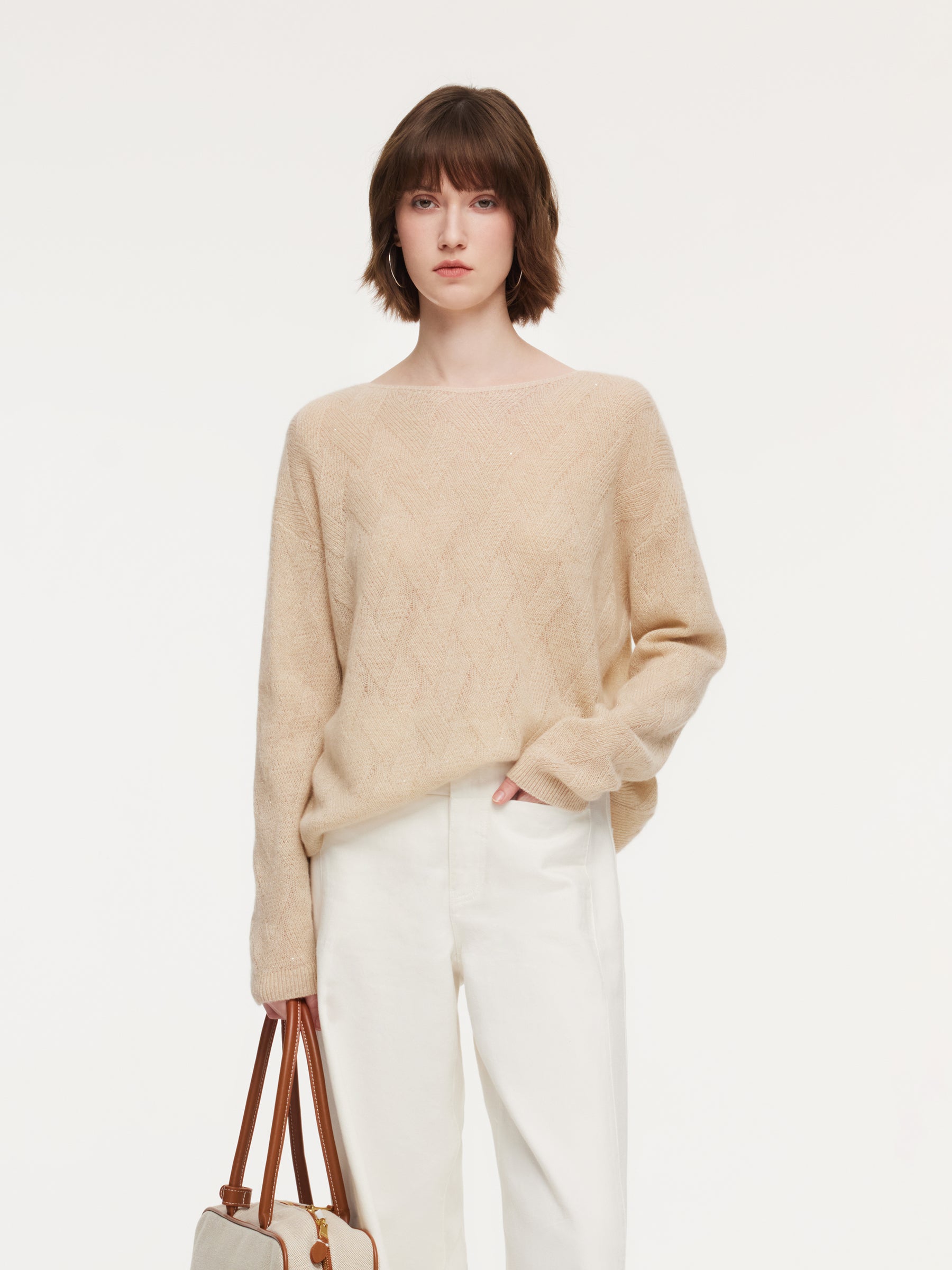
Quiet luxury operates within a specific colour system: cream and ivory as the foundation neutrals, camel and cognac as the warm mid-tones, chocolate and deep navy as the anchors, with forest green and burgundy as the only permitted accent colours. These six-to-eight shades are not arbitrary — they are the colours that photograph with depth in natural light, that work in every fabric from linen to cashmere without looking cheap, and that combine with each other without requiring any colour theory knowledge to execute. The rule for daily dressing: choose two tones from within the same temperature range (all warm: cream + camel, cognac + chocolate; all cool: ivory + navy, grey + black) and pair them. Add a third tone from the accent range only if the two-tone combination feels incomplete. The aesthetic's restraint comes not from wearing boring clothes but from wearing clothes whose interest comes entirely from material quality and proportion rather than colour contrast.
Fabric Is the Message: What Quiet Luxury Is Actually Made Of
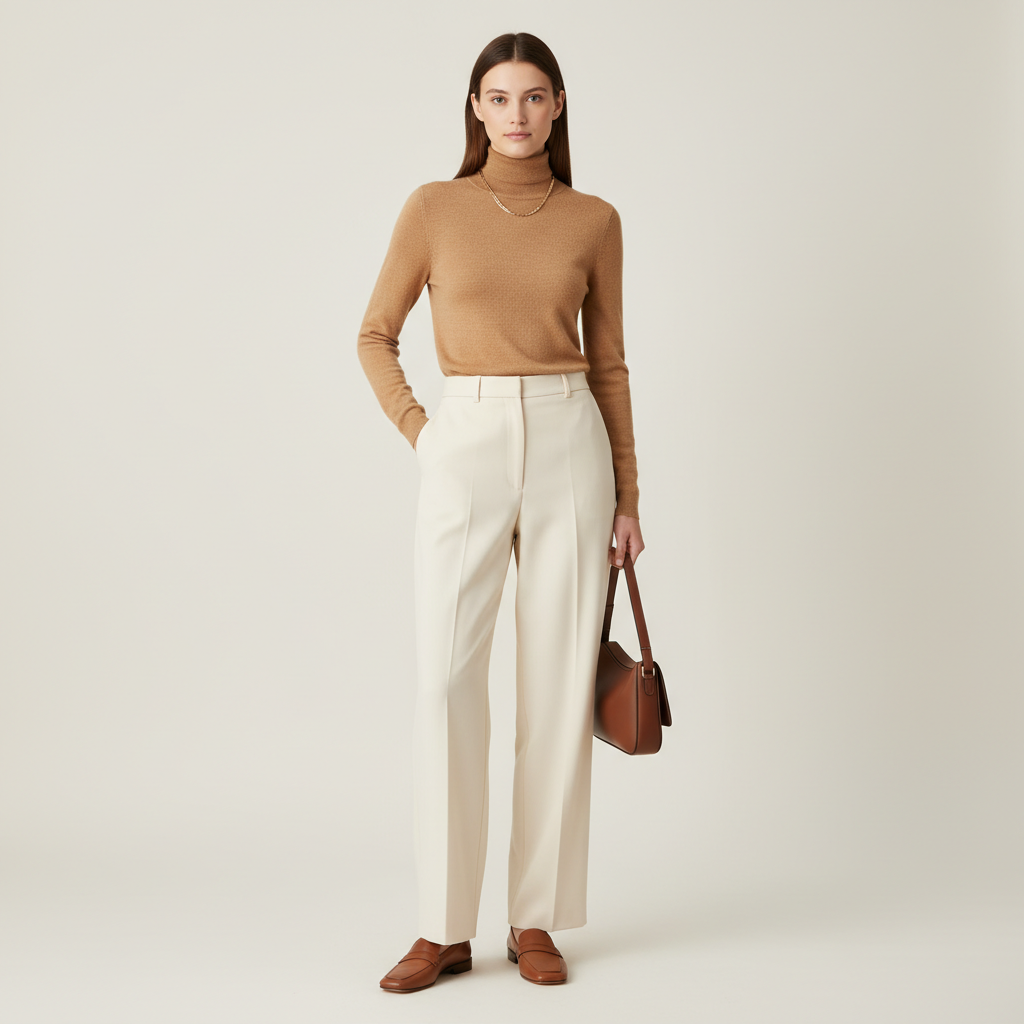
The single most important quiet luxury principle is material selection. The aesthetic is built on natural fibres because synthetic fibres — regardless of how well they're cut or how prestigious the brand — reflect light in a way that communicates cost. Cashmere, merino wool, silk, linen, fine cotton, and leather are the quiet luxury materials. Polyester, acrylic, faux leather, and viscose blends are not — even in neutral colours and clean silhouettes, they carry a visual signature that reads as something other than what the aesthetic requires. The practical implication: it is better to own four quality pieces in natural materials than twelve pieces in synthetic alternatives at the same price point. A single camel cashmere turtleneck and cream wool trousers — real cashmere, real wool — will always read as more expensive than twenty mix-and-match fast fashion pieces in the correct colours. Material quality is not a detail of quiet luxury; it is the entire point.
The Quiet Luxury Silhouette: Proportion Over Trend
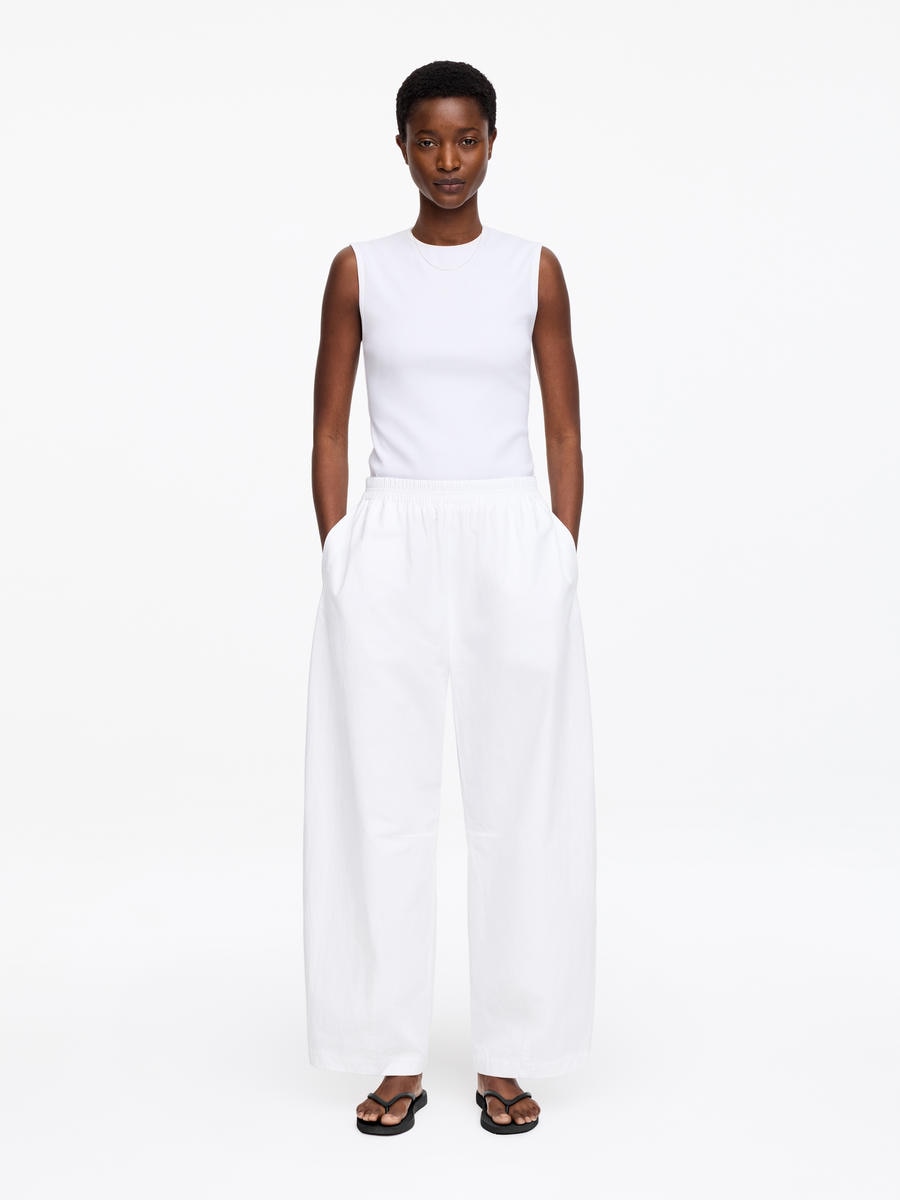
Quiet luxury is not about a specific silhouette — it's about the relationship between proportions. The guiding principle is one generous piece per outfit: either a wide-leg trouser or a maxi skirt on the bottom, or an oversized coat or blazer on top, balanced by something fitted. Never two oversized pieces together (which reads as shapeless rather than considered) and never two fitted pieces together without a third layer that creates visual interest. The hemlines that work: midi and maxi on the bottom, just-below-hip-length on the top. The silhouettes that don't: micro-minis, crop tops worn alone without a high waist, and anything body-conscious in a way that prioritises figure over fabric. The proportion logic: the eye should travel from the quality of the material to the precision of the fit, not to the amount of skin or to the tightness of the garment.
Affordable Quiet Luxury: How to Build the Aesthetic Without the Price Tag
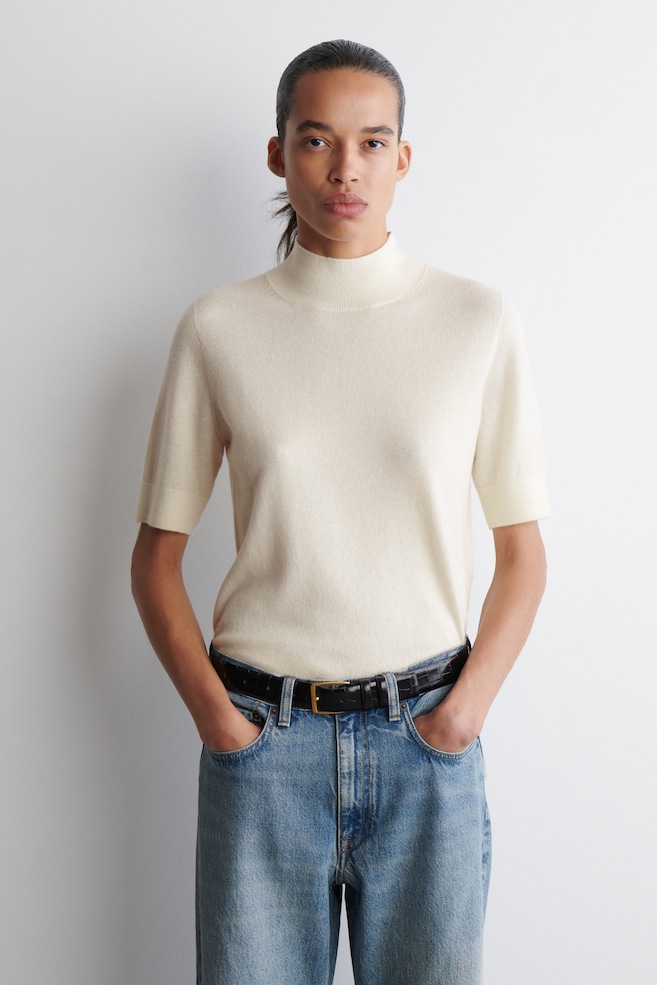
The paradox of quiet luxury is that the aesthetic's defining pieces — The Row blazers, Brunello Cucinelli cashmere, Loro Piana leather goods — are priced at a level that defeats the philosophy's anti-status purpose. The solution is to understand which pieces justify investment and which can be sourced affordably without visual compromise. Invest in: a real cashmere knit (Uniqlo's premium cashmere range delivers genuine cashmere at around a tenth of luxury price points with comparable longevity), a leather shoe or bag (real leather improves with age in a way that no faux leather does, and the visual difference is legible), and a properly tailored trouser or coat (the fit is what makes a garment read as expensive — a well-tailored piece from ARKET or COS in a quality fabric reads as more expensive than a poorly fitted piece from a luxury brand). Source affordably: T-shirts and tank tops (the material quality difference at the base layer is minimal and largely hidden), basics that are entirely covered by outerwear, and any piece that will be replaced within two years regardless of quality. The result is a wardrobe in which the visible, touchable, legible pieces are genuinely excellent, and the supporting pieces are merely adequate — which is exactly what the aesthetic requires.
What exactly is the quiet luxury aesthetic?
Quiet luxury is a fashion sensibility built around restraint, material quality, and classic proportions over trend, logo, and surface decoration. The aesthetic rejects visible branding, synthetic materials, and trend-driven silhouettes in favour of natural fibres (cashmere, silk, wool, linen, leather), a restrained neutral colour palette (cream, camel, chocolate, navy, forest green), and clothing that communicates quality through its material and its fit rather than through what's written on it. The cultural reference points: the wardrobes of women like Carolyn Bessette-Kennedy, the costume direction of HBO's Succession, and the design philosophy of brands like The Row, Toteme, and Loro Piana — but the aesthetic itself is achievable at any price point if the three pillars (natural material, neutral palette, precise fit) are maintained.
What's the difference between quiet luxury and old money style?
Quiet luxury and old money are overlapping aesthetics with a meaningful distinction. Old money style is specifically rooted in a heritage American or European upper-class visual vocabulary: navy blazers, white Oxford shirts, equestrian references, tartan, loafers, and the specific colour palette of New England prep. It carries a strong preppy current and often includes pattern (stripes, checks, subtle houndstooth). Quiet luxury is more continental and more contemporary — it's less interested in heritage signifiers and more focused on pure material restraint. An old money outfit might include a navy blazer with gold buttons over a white poplin shirt; a quiet luxury outfit is more likely to be a camel cashmere coat over matching wide-leg trousers. Both aesthetics reject logomania, but old money celebrates its own cultural codes while quiet luxury deliberately avoids all codes in favour of pure simplicity.
What are the best quiet luxury brands that won't break the bank?
The high-quality, accessible brands that execute quiet luxury most consistently: ARKET (the H&M Group's most design-led brand — natural materials, restrained palette, excellent tailoring at mid-range prices), COS (the original European minimalist high-street brand — clean silhouettes, quality fabrics, reliable neutral palette), Uniqlo (specifically its premium cashmere range and quality linen pieces — the material quality at this price point is genuinely impressive), Mango (its Studio line in particular hits quality neutrals at accessible prices), and & Other Stories (best for shoes, bags, and jewellery in the quiet luxury register). For investment pieces worth saving for: Toteme (Swedish brand, impeccable construction, mid-luxury price point), and Arket (slightly different positioning than the others — more heritage British, always natural materials).
Can I do quiet luxury in colours other than neutrals?
The aesthetic has a limited colour vocabulary by definition, but it's not exclusively beige. Forest green, deep burgundy, rich navy, and dusty rose are all legitimate quiet luxury accent colours — provided they're worn in natural materials and in a restrained context (one accent colour per outfit, paired with neutrals rather than other saturated tones). The colours that fall outside the palette: bright red, neon, bright orange, electric blue, and any highly saturated tone that competes for attention. The test is whether the colour would look at home in the wardrobe of a woman who has never followed a trend in her life — if the answer is yes, it likely works within the aesthetic.
What jewellery is appropriate for the quiet luxury aesthetic?
Quiet luxury jewellery follows the same logic as everything else in the aesthetic: quality material over quantity, restraint over statement. The jewellery that works: a fine gold chain necklace (one, at the collarbone or slightly below), small gold hoop or stud earrings, a simple watch with a leather strap or a metal bracelet in yellow or white gold, and a signet ring or minimal band. What doesn't work: visible costume jewellery with obvious faux-stone settings, chunky statement pieces that compete with the clothing for attention, and anything heavily branded or logo-centred. Real gold, real pearls, and real stones are the material targets — but a quality gold-fill or gold-vermeil piece reads as appropriate if the construction is clean and the styling is restrained.